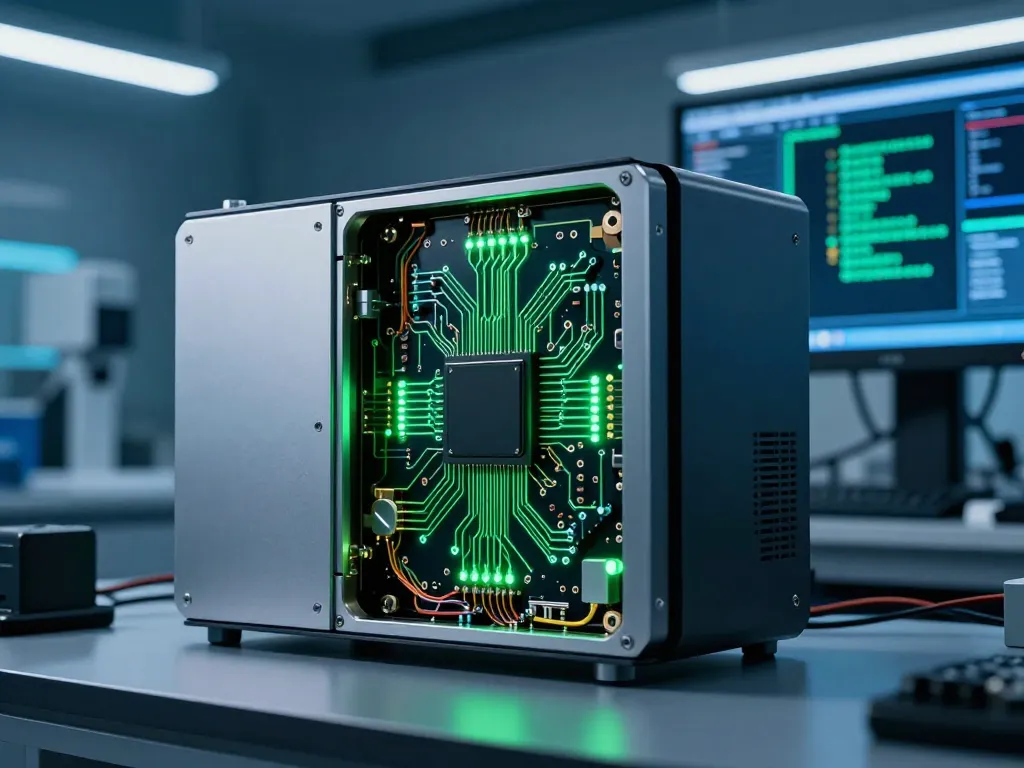
Understanding A80 Technology Innovations
The emergence of A80 technology represents a significant shift within numerous industries, enhancing various operational efficiencies while fostering innovation. By integrating advanced features and capabilities, A80 technology not only stands as a beacon of modern advancement but also serves as a critical tool for organizations seeking to maintain competitive advantages in an ever-evolving marketplace. When exploring options, Lucky777 provides comprehensive insights into the potential benefits of adopting this technology.
What is A80 Technology?
A80 technology encompasses a broader array of applications, predominantly focusing on streamlining processes, enhancing data capabilities, and improving user experiences across various sectors. Specifically, A80 innovations are pivotal in sectors such as gaming, telecommunications, and digital commerce, driving growth and consumer engagement.
Key Features of A80 Systems
- Advanced Data Processing: A80 systems leverage superior algorithms to process large volumes of data in real-time, enabling quicker decision-making and operational responsiveness.
- Enhanced User Interfaces: These systems prioritize user experience, utilizing intuitive designs that facilitate ease of use and accessibility.
- Integration Capabilities: A80 technology easily integrates with existing infrastructure, allowing businesses to upgrade without extensive overhauls.
- Scalability: The systems are scalable, meaning that as a business grows, A80 technology can evolve to meet increasing demands without significant disruption.
- Robust Security Features: Ensuring data protection is crucial, and A80 systems incorporate advanced security protocols to safeguard user data and business intelligence.
Comparative Analysis with Competitors
Compared to rival technologies, A80 systems distinguish themselves through superior adaptability and user-centric features. For instance, while some competitors may only cater to specific sectors, A80's flexibility allows for multiple applications, making it a more viable choice for businesses seeking comprehensive solutions. Additionally, the ongoing advancements in A80 technology continuously narrow the gap in performance, often outpacing competitors in terms of innovation and reliability.
Setting Up A80 Systems: Essential Steps
Transitioning to A80 technology necessitates careful planning and execution. Organizations should approach this transition methodically to maximize benefits and minimize disruptions.
Preparation for Transitioning to A80
The first step in transitioning to A80 technology is conducting a thorough assessment of current systems and processes. This assessment should identify inefficiencies, compatibility issues, and areas for improvement. Engaging stakeholders throughout this process is crucial to ensure everyone’s needs and concerns are addressed, promoting smoother implementation.
Hardware and Software Requirements
Adopting A80 technology requires specific hardware and software configurations to ensure optimal performance. Organizations should evaluate their existing infrastructure against the recommended specifications for A80 systems. This might involve upgrading servers, ensuring adequate bandwidth, and investing in compatible software solutions that can leverage A80's capabilities.
Best Practices for Implementation
- Engage Stakeholders Early: Involve all relevant parties from the outset to gather insights and build support for the transition.
- Develop a Comprehensive Training Program: Users must be trained adequately to navigate the new system efficiently.
- Monitor and Adjust: During the implementation phase, continuously monitor the system's performance and adjust strategies as necessary to meet operational goals.
Overcoming Challenges in A80 Adoption
While the benefits of A80 technology are significant, organizations may encounter challenges during adoption. Recognizing and addressing these challenges early can prevent setbacks.
Common Pitfalls and How to Avoid Them
- Insufficient Training: Ensure comprehensive onboarding for users to prevent frustrations and inefficiencies.
- Lack of Clear Objectives: Establish clear goals for what the organization aims to achieve with A80 technology.
- Neglecting User Feedback: Continuous feedback from users can unveil issues and opportunities for improvement.
Addressing User Resistance in the Transition
User resistance is a common barrier when adopting new technologies. To address this, organizations should foster a culture of acceptance by clearly communicating the benefits of A80 technology and involving employees in the transition process. Recognizing and addressing their concerns will help ease anxiety and promote a more positive reception of the changes.
Performance Metrics to Track Success
To gauge the successful implementation of A80 technology, organizations should establish key performance indicators (KPIs) that align with their specific business objectives. Metrics may include user engagement rates, efficiency improvements, and ROI on technology investments, providing a clear picture of the system's impact over time.
Real-World Applications of A80 Technology
The practical implications of A80 technology are evident across multiple industries. Its adaptability offers a plethora of opportunities for innovation and efficiency improvements.
Case Studies from Innovative Companies
Several leading organizations have successfully implemented A80 technology, transforming their operations and enhancing user experiences. For instance, a major online gaming platform utilized A80 innovations to streamline user interactions, resulting in a significant increase in engagement and customer satisfaction.
Industry-Specific Applications of A80
- Gaming: A80 technology enables real-time data processing for enhanced gameplay experiences.
- Telecommunications: Improved data management and user interface streamline customer service operations.
- Retail: Enhanced analytics provide insights into consumer behavior, allowing for personalized marketing strategies.
Insights from A80 Early Adopters
Users who adopted A80 technology early have reported transformative results. These organizations often highlight improved operational efficiencies, better customer engagement, and a more agile approach to market changes, showcasing the far-reaching benefits of this technology.
The Future of A80 Technology in 2026 and Beyond
As we look ahead to 2026 and beyond, A80 technology is poised to evolve further, shaping industries in unprecedented ways. Emerging trends will likely influence these advancements.
Emerging Trends Shaping A80 Innovations
- Increased Automation: More processes will become automated, leveraging A80's capabilities to reduce manual inputs and increase accuracy.
- Integration with AI: The fusion of A80 technology with artificial intelligence will provide even deeper insights and predictive analytics.
Predictions for Industry Impact
The impact of A80 technology on various industries will be profound. As organizations increasingly rely on data-driven decision-making, those utilizing A80 will stand at the forefront, championing innovations that redefine user experiences and operational efficiencies.
How to Stay Ahead with A80 Technology
Organizations looking to maintain a competitive edge must remain proactive in their approach to A80 technology. This means staying abreast of industry trends, continuously investing in training, and being open to iterative improvements based on user feedback and technological advancements.
What are the benefits of switching to A80 technology?
Benefits of switching to A80 technology include enhanced efficiency, improved user experiences, significant cost savings, and the ability to scale operations seamlessly as business needs evolve.
How does A80 compare with previous versions?
A80 technology surpasses previous iterations by offering more robust features, better scalability, and superior data processing capabilities, making it a formidable choice for modern businesses.
What industries are adopting A80 technology?
Industries such as gaming, telecommunications, retail, and manufacturing are leading the charge in adopting A80 technology due to its versatile applications and potential for significant operational improvements.
Are there specific hardware requirements for A80?
Yes, organizations typically need to assess their existing hardware against A80’s requirements, which may include updated servers and enhanced network infrastructure to support its advanced features.
How can I prepare my team for adopting A80?
Preparing your team involves educating them about the technology, involving them in the transition process, and providing ongoing support and training to foster confidence in using A80 systems effectively.